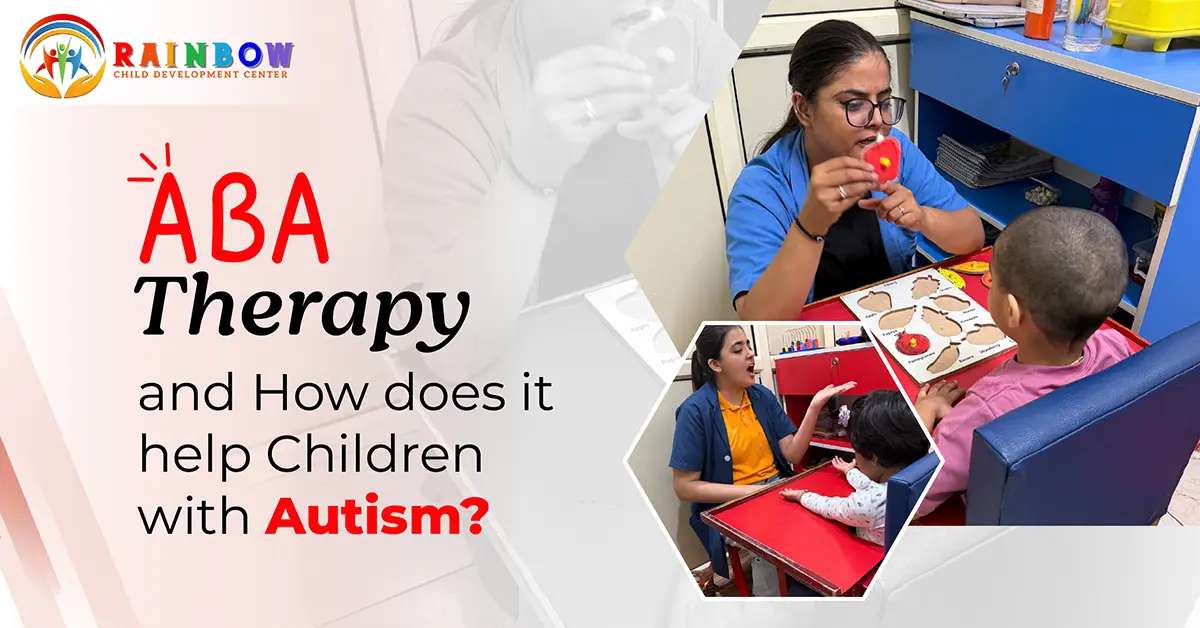
Parents often hear about ABA therapy after an autism diagnosis, but the term can sound confusing at first. So, what is ABA therapy and how does it help children with autism? ABA stands for Applied Behavior Analysis. It is a therapy approach that studies how a child learns, responds, communicates, and behaves in different situations.
ABA therapy does not follow one fixed method for every child. A therapist first understands the child’s current skills, daily challenges, interests, and learning style. Then, the therapist creates small, practical goals. These goals may include asking for help, following a routine, improving communication, playing with others, or completing simple daily tasks.
At Rainbow Childcare, the focus should remain on helping each child learn useful skills at a pace that feels manageable and respectful.
What Is ABA Therapy?
ABA therapy uses observation, repetition, encouragement, and step-by-step teaching. The therapist looks at what happens before a behaviour, how the child responds, and what happens next. This helps the therapist understand why a behaviour may be happening.
For example, a child may cry when they cannot express that they need a break. Instead of only trying to stop the crying, the therapist may teach the child to use a word, sign, picture, or communication device to ask for a break.
This is one reason many families choose an ABA program for autism. The programme focuses on practical skills that children can use at home, in school, and in social settings.
How Does ABA Therapy Help Children with Autism?
ABA therapy can help children work on communication, social interaction, learning habits, and daily routines. The goals depend on the child’s needs.
A child may work on:
- Asking for food, water, help, or a break
- Following simple instructions
- Waiting for a turn
- Sitting during a short activity
- Using the toilet
- Dressing with less support
- Joining play activities
- Managing changes in routine
- Reducing behaviours that may cause harm
Progress can look different for every child. One child may learn to say a new word. Another may learn to make eye contact briefly, use a picture card, or move from one activity to another without distress.
The therapist should review progress regularly. When a strategy does not help, the plan should change.
What Does an ABA Therapist Do?
Parents often ask, what does an ABA therapist do during a therapy session?
An ABA therapist works directly with the child using games, toys, pictures, movement, daily tasks, and simple learning activities. The therapist breaks one large skill into smaller steps so the child can practise each part.
For example, handwashing may involve several steps:
- Turn on the tap
- Wet the hands
- Use soap
- Rub the hands
- Rinse
- Turn off the tap
- Dry the hands
An ABA behavior therapist may teach one step at a time and offer praise or another reward when the child completes it. Over time, the child may learn the full routine with less help.
Therapists also record progress during sessions. This helps them see which methods work and where the child may need more support.
What Is an ABA Clinic?
Many parents also search for what is an ABA clinic before choosing a provider.
An ABA clinic is a therapy setting designed for structured learning and skill development. It may include individual therapy rooms, play spaces, sensory areas, group activity zones, and equipment for communication or motor skills.
Clinic-based therapy may suit children who need a quiet and organised place to practise. It may also help children work on peer interaction, classroom habits, group play, and school readiness.
Some children receive ABA therapy at home, while others attend a clinic. In some cases, families use both. Home sessions can focus on eating, dressing, bedtime, sibling interaction, and other everyday routines.
What Is Custom ABA Therapy?
Custom ABA therapy means the therapist creates a plan for one child instead of using the same programme for everyone.
Before therapy starts, the provider may assess the child’s:
- Communication skills
- Social skills
- Attention level
- Daily living abilities
- Learning style
- Sensory needs
- Behaviour patterns
- Family routine
The therapist then sets clear and realistic goals. These goals should matter in the child’s real life.
For example, a child who struggles during grocery shopping may practise waiting, following a visual list, or asking for a preferred item. A child who finds school transitions difficult may practise moving between activities with a timer or picture schedule.
What Is ABA in Special Education?
Parents may also wonder, what is ABA in special education and how schools use it.
In special education, teachers may use ABA-based methods to teach classroom behaviour, communication, reading, writing, self-care, and social skills. They may break a task into smaller steps and reward the child for completing each part.
A teacher may use:
- Visual timetables
- Simple instructions
- Choice boards
- Reward charts
- Short learning sessions
- Regular breaks
- Repeated practice
These tools can help children understand what they need to do and what comes next.
Parents, teachers, and therapists should share updates when possible. This helps the child practise the same skill across different places.
How Can Parents Choose the Right ABA Programme?
Parents should look for a provider that listens, explains the process clearly, and includes the family in goal-setting.
Before starting, ask:
- Who will create and supervise the therapy plan?
- How will the team measure progress?
- Can parents attend training sessions?
- How often will the plan be reviewed?
- Will the therapy support skills at home and school?
- How will the team respond if the child feels uncomfortable?
A good programme should respect the child’s personality, preferences, communication style, and comfort.
Conclusion
ABA therapy can help some children with autism build communication, learning, social, and daily living skills. The results depend on the child, the quality of the programme, family involvement, and regular review.
Understanding what ABA therapy is and how it helps children with autism can help parents make better decisions. Rainbow Childcare can support families by focusing on practical goals, steady progress, and care that puts the child’s needs first.