Imagine your child wakes up with a stomachache. You think they need to go to the toilet or have eaten something that has upset their stomach. But even after you rest, the pain doesn’t stop. They skip breakfast, refuse to play, and complain whenever they move.
Most parents wouldn't immediately think about appendicitis. After all, stomach aches are quite common in children. But some stomach pains need urgent attention.
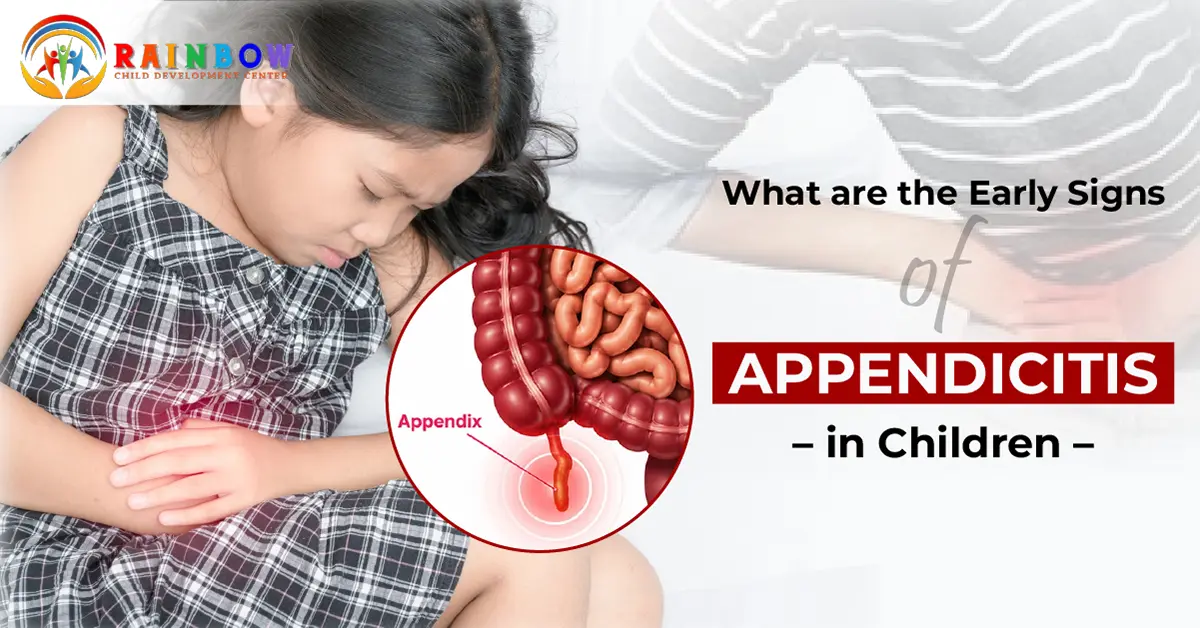
Appendicitis is inflammation and swelling of the appendix, a small pouch attached to the large intestine. If doctors don't treat it in time, the appendix may burst and cause a serious infection.
What Are the Early Signs of Appendicitis in Children? Know the Symptoms Before the Pain Gets Worse
Appendicitis in kids often begins with pain around the belly button. At first, your child might describe it as an ordinary stomach ache. Over the next few hours, the pain may shift towards the lower right side.
You may also notice:
- Your child doesn't want to eat, even when you offer their favourite food.
- They feel sick or start vomiting.
- Walking, coughing, or jumping makes their stomach hurt.
- They develop a fever.
- Their stomach feels swollen or painful.
- They prefer lying still rather than moving around.
Not every child shows all these appendicitis symptoms. Some younger children cannot explain where the pain is coming from.
Appendix Pain: Which Side of the Stomach Hurts?
Parents often ask, "What side is the appendix on?"
The appendix usually sits on the lower right side of the stomach. This is the same for boys and girls.
However, appendix pain may begin near the belly button before moving towards the right.
If your child has worsening stomach pain, don't keep pressing their abdomen to find the painful area. Seek urgent medical care instead.
What Causes Appendicitis in Kids?
Usually, appendicitis starts when something blocks the opening of the appendix. Bacteria multiply inside, and the appendix becomes inflamed.
The blockage can be due to hardened stool or swollen tissue after an infection. Rarely, parasites or abnormal growths can cause it.
Parents often wonder whether certain foods are responsible.
There’s no evidence that eating seeds, spicy food or junk food directly causes appendicitis.Even the children eating meals at home can get it.
How Common Is Appendicitis in Children?
Appendicitis occurs more often in older children and teenagers, but younger children can develop it too.
A three-year-old may not point towards the painful area. Instead, they might cry when picked up, refuse meals, or become unusually quiet.
Seek medical assessment if these changes occur with stomach pain, fever or vomiting.
How Do Doctors Diagnose Appendicitis?
Doctors first ask when the pain started and whether it has become worse.
They may gently examine your child's stomach and recommend tests.
- Blood test: Checks for signs of infection or inflammation.
- Urine test: Helps rule out urinary problems.
- Ultrasound: Helps doctors examine the appendix.
- MRI or CT scan: May be needed if the diagnosis remains unclear.
Doctors look at the symptoms and test results together before deciding on treatment.
Can Appendicitis Go Away Without Surgery?
Most children with appendicitis need an operation to remove the appendix. Doctors call this an appendectomy.
In some uncomplicated cases, doctors may recommend antibiotics instead. However, some children still need surgery later.
Don't wait at home hoping the pain will disappear. An untreated appendix can burst and spread infection.
Appendicitis Symptoms in Children With Developmental Difficulties
Some children cannot easily explain that their stomach hurts.
Kids with Down Syndrome Therapy, Cerebral Palsy Therapy, ABA Therapy or Behavior Modification Therapy may indicate their discomfort by crying, changing the way they move or refusing to eat.
Sensory Integration Therapy can address certain sensory difficulties, but it cannot treat appendicitis.
Oral Placement Therapy, Dyslexia Therapy, treatment for Speech Sounds Disorder and Physiotherapy are not a substitute for medical care, but a supplement.
Rainbow supports children with a variety of developmental needs. However, sudden or worsening stomach pain always needs attention from a medical professional.